Did you know that the western black widow's venom is actually 15 times stronger than a rattlesnake's? While fatalities are rare thanks to modern medicine, finding one of these glossy black spiders near your child's sandbox or tucked behind a storage bin in the garage is enough to make any Sacramento homeowner's heart skip a beat. If you are staring at a messy, tangled web and wondering how to get rid of black widows without putting your family at risk, you aren't alone.
I understand the deep-seated anxiety that comes with seeing those distinctive red hourglass marks around your property, especially since a single egg sac can hold up to 300 potential spiders. You want your home to be a safe zone, not a place where you have to double-check every dark corner before reaching for a tool. This guide promises to give you the expert local advice you need to identify, remove, and prevent these pests for good. I will walk you through the best safety practices for clearing out infestations and show you how to disrupt the dry, cluttered micro-climates where they thrive during our long Northern California bug season.
Key Takeaways
- Master the "shiny black" rule to correctly identify female widows and recognize common hourglass variations found across the Sacramento Valley.
- Learn why switching to yellow porch lights can starve out spider populations by removing their primary food source.
- Follow a step-by-step safety guide on how to get rid of black widows using a night audit and the proper protective gear to avoid accidental bites.
- Understand the limitations of over-the-counter sprays and why professional treatment is often necessary to reach deep structural crevices.
- Implement the "3-Foot Rule" for your home's foundation to eliminate the dry micro-climates where spiders prefer to hide and breed.
Identifying Black Widows in the Sacramento Valley
The first step in learning how to get rid of black widows is knowing exactly what you are looking for. In the Sacramento Valley, we primarily deal with the Western Black Widow spider. To spot a female, follow the "Shiny Black" rule. Her abdomen is bulbous, smooth, and has a high-gloss finish that looks almost like polished glass. While everyone looks for the red hourglass, I have seen plenty of variations in the field. Sometimes the mark appears as two separate dots, a single red bar, or even a faded orange smudge. If the spider is pitch black and shiny with any hint of red on the underside, you should treat it as a venomous widow.
Don't expect a beautiful, symmetrical web like you see in nature documentaries. Black widow webs are famous for being "tangled mistakes." They look messy, erratic, and lack any discernible pattern. These webs are incredibly strong; you can actually hear a distinct "crackle" or snapping sound if you pull them apart with a stick. Knowing these visual cues is the foundation of how to get rid of black widows safely. You also need to distinguish them from the False Widow or the Brown Widow, which has become much more common in Placer County recently. Brown widows are usually tan or gray with geometric patterns and an orange hourglass rather than a red one.
Where They Hide in Northern California
Our scorching, dry summers actually change spider behavior. When the hills turn brown, widows move toward our irrigated yards and garden perimeters in search of moisture and prey. I often find them tucked into water meter boxes, under the lips of patio furniture, or deep inside woodpiles in Auburn and Roseville. If you see an egg sac, look closely at the texture. A smooth, papery, cream-colored sac belongs to a black widow. If the sac looks like a tiny, spiky tan ball, you are looking at a brown widow infestation. Both species require a professional eye to ensure you are clearing the area effectively.
The Venom Factor: Should You Be Afraid?
The venom of a black widow contains potent neurotoxins that cause a condition called Latrodectism. This isn't just a simple skin irritation. It can cause intense muscle cramping, profuse sweating, and nausea as the toxin impacts your nervous system. While healthy adults usually recover without long-term damage, the stakes are much higher for our most vulnerable neighbors. Children, seniors, and pets have a much lower tolerance for these neurotoxins. A black widow bite on a child or an elderly family member constitutes a medical emergency that requires immediate professional evaluation at a hospital.
Why Black Widows Choose Your Home (and How to Stop Them)
Understanding the "why" is the most important part of learning how to get rid of black widows for good. Spiders don't just wander into your yard by accident; they are following a biological map designed for survival. In the Sacramento region, our "bug season" typically runs from March to November, with a massive spike in sightings during the blistering heat of June, July, and August. During these months, your home often becomes an oasis that provides the three things every widow needs: food, shelter, and water.
The food chain starts right at your front door. Standard white porch lights are a beacon for the moths, beetles, and crickets that black widows love to eat. By setting up a web near a light source, a spider ensures a steady stream of prey with almost zero effort. Beyond the food, the structural design of homes in Roseville and the surrounding foothills often creates perfect micro-climates. The small gaps under your siding or behind stone veneers provide the dry, dark, and undisturbed environment these spiders crave. They hate being out in the open where it's windy or wet, so these protected structural voids are like five-star hotels for them.
Environmental Attractants
Overgrown vegetation is a major factor I see every day. Thick ivy or bushes touching your exterior walls act as a natural bridge, allowing spiders to crawl directly from the garden onto your house. Inside the garage, cardboard boxes are the number one nesting site I encounter. The corrugated edges and dark spaces between stacked boxes are prime real estate for a growing colony. Even a small, leaky outdoor faucet can provide enough hydration for a widow to thrive in our 100-degree weather. According to the UC ANR pest management guidelines, reducing these favorable conditions is a critical component of any long-term control strategy.
The 'Got Pests?' Audit
When I perform a professional inspection, I conduct what I call a "harborage site" audit. I look for the hidden spots where widows feel safest, like the weep holes in your brickwork or the gaps in your garage door weather stripping. Sealing these entry points is especially important for homeowners in Lincoln and Rocklin, where new construction often leaves small vulnerabilities. If you've been struggling with recurring webs, I can help you identify these hotspots and show you how to get rid of black widows by hardening your home against them. If you're tired of checking your shoes every morning, it might be time to see how Got Pests? can secure your property.
DIY Removal vs. Professional Treatment: Assessing the Risks
I meet many neighbors who start their journey of learning how to get rid of black widows by grabbing a heavy shoe or a can of hardware store spray. While I respect the "do-it-yourself" spirit, squashing a widow is actually one of the easiest ways to get bitten. These spiders aren't aggressive, but they are incredibly fast when they feel threatened. If you miss or only partially crush the spider, it will often strike in self-defense. Beyond the physical risk, most over-the-counter sprays have major limitations. They might kill the spider you see, but they rarely penetrate the deep, dark crevices where the rest of the colony is hiding.
The biggest challenge I see with DIY attempts is the egg sac dilemma. As I mentioned earlier, a single black widow egg sac can contain 200 to 300 eggs. If you spray a mother but miss a hidden sac tucked behind a structural beam or inside a weep hole, you'll soon face a localized explosion of hundreds of spiderlings. This cycle of "spray and pray" leads to recurring infestations that never quite go away. I focus on breaking this cycle by using professional-grade tools and techniques that reach the spots a standard spray can simply cannot touch.
The Hidden Cost of DIY
Many homeowners spend a small fortune on multiple cans of bug spray every summer. This often costs more over time than a single, effective structural treatment. There is also the risk of "flushing." Using the wrong chemicals can actually irritate spiders and drive them deeper into your home's interior walls rather than killing them. I don't want safety to be a budget issue for my clients. That's why I am always eager to match or even improve upon any written rate you've received from local competitors. I want to make sure you get the expert help you need at a fair price.
Professional Structural Pest Control
When I handle a widow problem, I use high-quality residual treatments that stay active much longer than hardware store brands. I also utilize a "web-out" technique. This involves physically removing the messy webs and egg sacs to destroy the habitat entirely. I take my role as a local expert seriously, which is why I specialize strictly in Structural Pest Control Services. I don't treat termites, but I have a great network and can refer you to someone who does if that's what you need. My focus stays on clearing your home of active pests like black widows so you can walk through your garage with confidence again. If the job feels too big or too dangerous, give me a call at Got Pests? for a thorough professional sweep.

A Step-by-Step Guide to Getting Rid of Black Widows Safely
If you have decided to handle a small infestation on your own, you need a plan that prioritizes your safety over speed. Learning how to get rid of black widows isn't about rushing in with a spray can; it's about methodical, safe execution that keeps you out of the "strike zone." I always tell my neighbors in Sacramento that the key is to work when the spiders are active but while you are fully protected. Follow these steps to clear your property without ending up in the emergency room.
- Step 1: Gear Up. Never approach a suspected widow nest in shorts or flip-flops. Put on long sleeves, heavy pants, and closed-toe shoes. Tuck your pants into your socks for extra security.
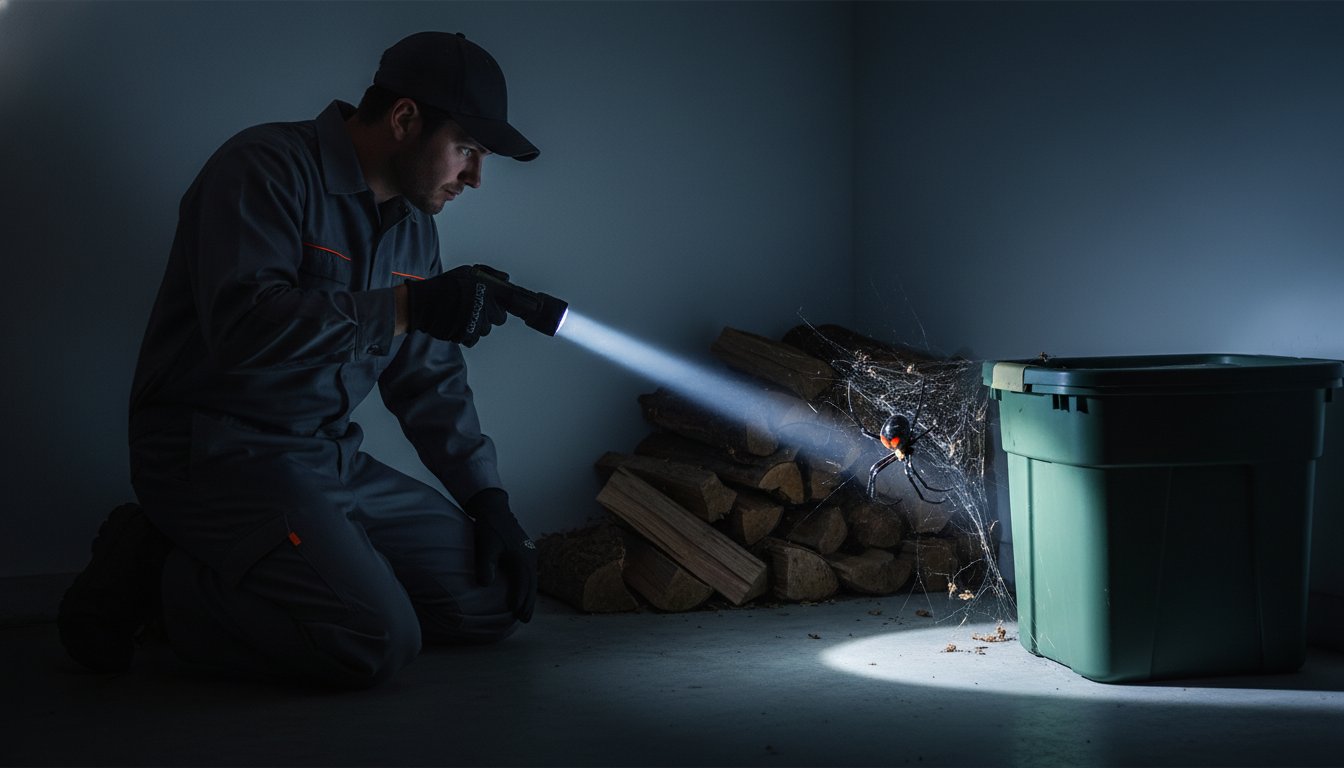
- Step 2: The Night Audit. Since widows are nocturnal, they hide deep in crevices during the day. Grab a bright flashlight after dark and inspect your garage and patio. You will likely see them sitting right in the middle of their webs, making them easy targets.
- Step 3: Physical Removal. Use a vacuum with a long extension wand or a long-handled web brush to suck up or snag the spider and its web from a distance. This is the safest way to ensure the spider doesn't drop onto your hand.
- Step 4: Targeted Treatment. Once the spider is gone, apply a spider-labeled residual product directly into the crack or crevice where the web was attached. Don't waste product on flat, open walls; focus only on the dark "pockets" where they hide.
- Step 5: Disposal. Seal any collected egg sacs or carcasses in a plastic bag and place them in your outdoor trash bin immediately.
If this process feels overwhelming or if you find more than a couple of spiders, don't risk a bite. I am always available to step in and provide professional Structural Pest Control Services to ensure every hidden egg sac is neutralized.
Essential PPE for Homeowners
Your choice of gloves is your most important defense. I recommend heavy-duty leather or thick, double-layered nitrile gloves, as standard cloth garden gloves won't stop a determined spider's fangs. If you are clearing webs from eaves or high corners, wear wrap-around eye protection to prevent spiders or debris from falling into your face. To safely empty a vacuum after spider removal, immediately seal the canister contents or the vacuum bag into a heavy plastic bag and move it to an outdoor trash receptacle to prevent any survivors from escaping back into your home.
Safe Chemical Application
When you use sprays, focus on "spider-prone" zones like the corners of your garage floor, the undersides of workbenches, and the gaps around your water heater. Always move pet bowls and children's toys at least ten feet away from the area before you begin. I use the "Rule of Three" for my own inspections: check the treated area again at 24, 48, and 72 hours. This helps you confirm that the treatment was effective and that no new spiders have moved into the vacated territory. If you still see activity after three days, it means you haven't reached the source of the infestation. I can help you figure out exactly how to get rid of black widows by performing a deep-level structural sweep of your property.
Long-Term Prevention: Keeping Your Property Spider-Free
Clearing out active spiders is a great start, but you don't want to repeat that stressful process every three months. Learning how to get rid of black widows permanently requires changing the environment around your foundation to make it less hospitable. I always recommend my clients follow the "3-Foot Rule." Keep all shrubs, ivy, and mulch at least three feet away from your home's exterior walls. This creates a dry, exposed buffer zone that spiders hate to cross. It also makes it much easier for me to apply an effective structural barrier during my regular maintenance visits.
One of the simplest changes you can make involves your outdoor lighting. Switch your standard white porch bulbs to yellow "bug lights." These bulbs are far less attractive to the flying insects that serve as a widow's primary food source. If you starve out the prey, the predators will move elsewhere. Inside the garage, swap your cardboard boxes for airtight plastic bins. Cardboard is a magnet for nesting, but smooth plastic surfaces are difficult for spiders to climb and provide zero hiding spots for their messy egg sacs. These small adjustments are the secret to how to get rid of black widows for the long haul.
Don't rely on one-time "bug bombs" from the hardware store. These products often fail to reach the structural voids where widows hide and can leave a messy residue on your belongings. A regular, quarterly structural sweep is a much more effective strategy. It allows me to catch new webs and egg sacs before they turn into full-blown infestations during our peak summer months. I take pride in being a hardworking local expert who stays on top of these seasonal shifts so you don't have to.
Sealing Your Home in Auburn and Lincoln
Auburn and Lincoln homeowners often deal with more "wild" pest pressure due to the surrounding open spaces and foothills. Check the weather stripping at the bottom of your garage door; if you can see daylight, a spider can easily crawl inside. I also suggest screening your weep holes and attic vents with fine mesh to block the main highways into your wall voids. If you use a fireplace, never store firewood against the house. Always inspect each log before you bring it inside during the winter to avoid carrying a hitchhiking widow directly into your living room.
The I C Pests Maintenance Plan
Every home in the Sacramento Valley is different, so I don't believe in "cookie-cutter" pest control. I customize my treatments based on your specific property and the unique pest pressures in your neighborhood. My goal is to be your long-term partner in keeping your family safe from venomous bites. If you've "Got Pests," I have the tools and the local experience to handle them. I am always happy to look at a competitor's quote and see how I can provide better service or a more competitive rate for you. Contact Wesley today for a spider-free home in Sacramento!
Take Back Your Sacramento Home Today
Living in the Sacramento Valley means sharing our space with nature, but it doesn't mean you have to accept venomous spiders in your garage or near your kids' play areas. You now have the tools to identify the "shiny black" female widow, conduct a safe night audit, and implement the 3-foot rule to keep your foundation clear. Understanding how to get rid of black widows is really about consistency and using the right structural approach to disrupt their favorite hiding spots before they become a danger to your family.
I have been a licensed technician since 2005 and have operated I C Pests as a locally owned business since 2018. My expertise is strictly in Structural Pest Control Services. I don't treat termites; I stay dedicated to the specific pests that actually bother your daily life. If the job feels too dangerous or if you've received a high quote from a big franchise, please give me a chance to earn your business. Let Wesley at I C Pests match your best quote and clear those spiders today! You deserve to walk through your yard and garage with total confidence again.
Frequently Asked Questions
How do I kill a black widow without getting too close?
Use a vacuum with a long extension wand to keep at least three to four feet of distance between you and the spider. This physical barrier ensures the spider cannot drop onto your clothing if it gets startled. Once you've sucked up the spider and its web, immediately seal the vacuum bag or empty the canister into a plastic bag for outdoor disposal. It's the safest way to handle the situation without risking a defensive bite.
Are black widows common in Sacramento and Roseville?
Black widows are one of the most prevalent spiders in the Sacramento and Roseville areas, especially during the hot summer months. Our dry valley climate provides the perfect environment for them to thrive in garages, woodpiles, and garden perimeters. Local residents often see a significant spike in activity between June and August. Because they are so common here, a proactive prevention plan is usually better than waiting for a sighting.
What is the best spray to get rid of black widows permanently?
Professional-grade residual pesticides are the most effective choice for homeowners researching how to get rid of black widows. Unlike standard hardware store sprays that only kill on contact, these residuals stay active in cracks and crevices for weeks. I use specialized structural treatments that create a long-lasting barrier. This approach targets the spiders where they hide and prevents new ones from moving into the vacated space after the initial cleanup.
Can black widows live inside the walls of my house?
Black widows frequently inhabit wall voids by entering through weep holes, gaps in siding, or poorly sealed utility penetrations. They love these dark, undisturbed spaces because they offer protection from the Sacramento heat. Once inside the walls, they can occasionally wander into the living areas of your home. Sealing these exterior entry points is a critical step in a complete structural pest control strategy to keep your interior spider-free.
What should I do if I find a black widow egg sac?
You should carefully remove the egg sac with a long-handled tool or vacuum and seal it in a heavy plastic bag for immediate outdoor disposal. Never try to crush an egg sac with your shoe, as this can accidentally release hundreds of tiny spiderlings if the sac is near hatching. Since one sac can hold up to 300 eggs, it's vital to get it away from your home's foundation to prevent a massive localized explosion of new spiders.
Will a black widow bite my dog or cat?
A black widow will bite a dog or cat if the pet accidentally disturbs its web or traps the spider against its fur. Pets often exhibit similar symptoms to humans, including muscle tremors, drooling, and visible distress. If you suspect your pet has been bitten, you should contact an emergency veterinarian immediately. Keeping your yard clear of clutter and webs is the best way to protect your four-legged family members from these venomous pests.
How can I tell the difference between a black widow and a false widow?
You can distinguish a true black widow by its high-gloss, "shiny black" finish and the bright red hourglass on its underside. False widows are usually a duller brownish-purple color and lack the red marking entirely. While false widows can still bite, their venom is significantly less potent than the Western black widow found in our region. If you see a glossy black spider with any hint of red, it's safer to treat it as a dangerous widow.
Does I C Pests offer emergency spider removal in Lincoln?
I prioritize rapid response for homeowners in Lincoln and the surrounding areas who are dealing with dangerous spider infestations. If you've "Got Pests" and feel unsafe, I can often adjust my schedule to provide a professional sweep quickly. I take personal responsibility for every job and will work to match or beat any written quote you have from a larger franchise. My goal is to keep your home safe without the corporate runaround.