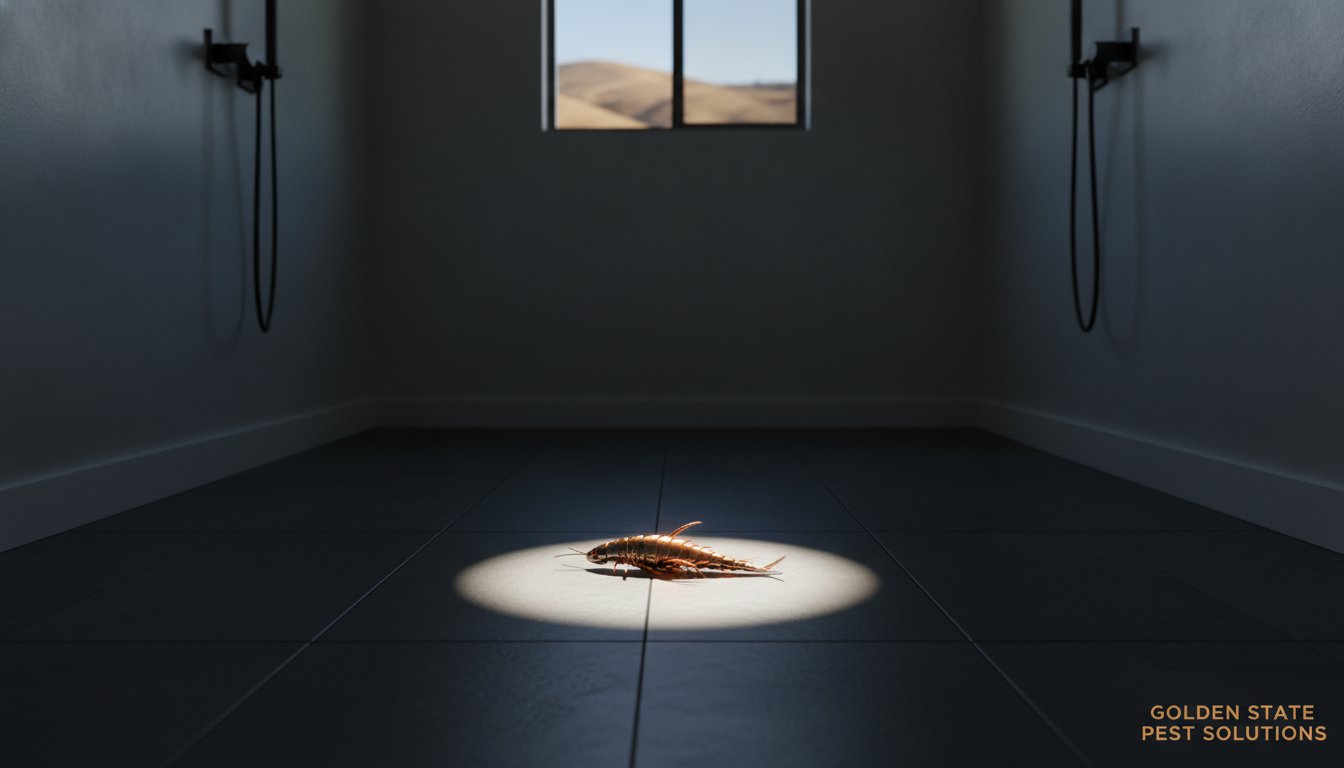
What if the "silverfish" you spotted scurrying near your water heater or inside your sweltering Sacramento attic isn't actually a silverfish at all? Many homeowners are surprised to learn that the pest they're dealing with is actually a firebrat, a cousin to the silverfish that specifically seeks out the hottest parts of your house. It's incredibly frustrating to find these insects thriving in 100-degree spaces where you'd think nothing could survive, especially when you start noticing holes in your favorite books or peeling edges on your wallpaper.
I understand how unsettling it is to feel like your property is under attack by a pest that seems immune to the heat. You want your home to be a sanctuary, not a breeding ground for destructive insects. That's why I've put together this guide to help you get control of the situation. You'll learn how to positively identify these pests, understand why they're attracted to your specific home layout, and discover the actionable steps I recommend to eliminate the infestation and protect your belongings. We'll cover everything from their unique biology to the structural fixes that keep them out for good.
Key Takeaways
- Learn how to distinguish these mottled, wingless insects from their silverfish cousins by looking for specific physical markers.
- Discover why the firebrat thrives in Sacramento attics and furnace rooms, specifically seeking out temperatures above 90°F.
- Understand the damage these pests can do to your books and wallpaper, even though they don't pose a direct health threat to your family.
- Get practical tips on managing your home's environment through better ventilation and smart storage to starve out an infestation.
- Find out how my local approach to structural pest control targets the specific areas where these pests hide in Sacramento homes.
Identifying Firebrats: The Mottled Cousins of Silverfish
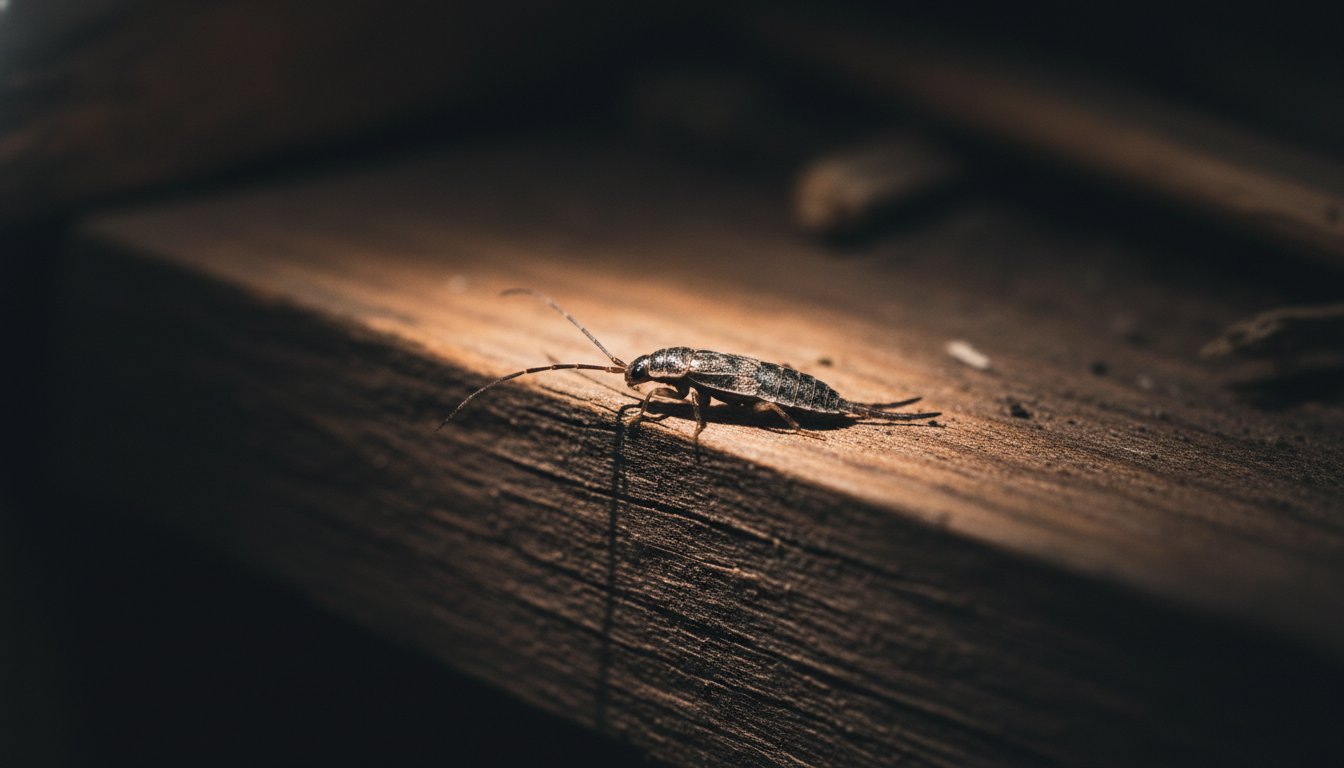
I've spent years crawling through Sacramento crawlspaces and attics, and I can tell you that most people guess wrong when they see a small, scaly insect darting across the floor. They usually yell "silverfish," but in our climate, there's a good chance they're looking at a Firebrat (Thermobia domestica). These are primitive, wingless insects that have been around since long before humans started building houses. They belong to the order Zygentoma, often called "bristletails" because of the three long, thin appendages sticking out of their rear ends. These tails are fragile and often break off, so look closely at the tail end to see if they are still intact.
The body of this pest is distinctively carrot-shaped, tapering significantly toward the back. Unlike many other insects that reach adulthood and stop growing, these pests continue to molt throughout their entire lives. They can go through dozens of molts, shedding their skin even after they've started laying eggs. This unique lifecycle means you might find translucent, papery "ghost" skins left behind in your storage boxes or insulation. Finding these sheds is a clear sign that you have an active population living in your walls.
Key Physical Characteristics to Look For
If you manage to catch one before it disappears into a crack, check for a mottled appearance. While silverfish have a solid, metallic sheen, this insect is covered in scales that create a speckled pattern of dark grey and brown patches. Their antennae are also incredibly long, often stretching out further than the length of their own bodies. They typically grow to about 1/2 inch in length, making them small enough to hide in the tiniest structural gaps where air is warmest.
Firebrat vs. Silverfish: How to Tell the Difference
Telling these two apart isn't just about looks; it's about where they choose to hang out in your home. Silverfish are famous for loving damp, cool spots like basements or under kitchen sinks. The firebrat is the opposite. They are heat-seekers that prefer dry environments where temperatures stay high. If you find a "silverfish" near your oven, water heater, or in a sun-baked attic, it's almost certainly a firebrat. They move with a fast, fish-like swimming motion, but their activity really peaks when the temperature hits that 90 to 115-degree range that would drive most other pests away.
Why Firebrats Love Sacramento Attics and Furnaces
I've noticed that while most pests are desperately trying to find a cool spot to hide during our triple-digit summer days, the firebrat is doing the exact opposite. These insects are extreme heat-seekers. Their ideal environment is a "sweet spot" between 90°F and 115°F. In most parts of the country, these pests are limited to commercial bakeries or industrial boiler rooms. However, here in the Central Valley, our climate turns almost every residential attic into a perfect incubator for them. If your attic feels like a sauna, it's probably a paradise for these scaly invaders.
One reason they thrive here is their incredible resistance to dry conditions. Most insects, including their silverfish cousins, will desiccate and die if the humidity drops too low. This pest has evolved to survive where others can't. They often congregate around "hot spots" in your home, such as water heaters, furnace units, and even the insulation behind your oven. I've often seen them scurrying out from under kitchen appliances where the pilot light or motor generates constant warmth. If you're seeing activity in these high-heat areas, you might need structural pest control services to address the population at its source.
The Impact of the Central Valley Climate
Summer heatwaves in Roseville and Auburn act as a primary driver for indoor migration. When the sun beats down on a roof for ten hours a day, poorly ventilated attics can easily exceed 120°F. While this might be slightly above their preferred range, it forces them into the wall voids and living spaces of your home. I typically see a major spike in calls during August and September. This is when the heat has been sustained for months, allowing firebrat colonies to reach their peak breeding capacity. According to the UC IPM guide to firebrats, they can live for several years, meaning a colony established in the summer can persist through the winter by hugging your heating ducts.
Structural Vulnerabilities in Local Homes
Your home's construction often provides "heat highways" that these pests use to move around. Utility pipe penetrations, such as the gaps around your plumbing or electrical lines, allow them to travel from a hot attic down to a warm bathroom in seconds. Gaps in attic insulation also provide perfect harborage. I've also found that fireplace hearths are a common sighting area. The residual heat from a chimney or the warm air trapped in a flue creates a microclimate that keeps them active even when the rest of the house is cool. Sealing these structural gaps is a critical step in my "Got Pests?" approach to long-term control.
Are Firebrats Dangerous? Assessing Property and Health Risks
I get asked all the time if these scaly little runners are going to bite the kids or the dog. The good news is that a firebrat doesn't bite, sting, or carry any diseases that we know of. They aren't like mosquitoes or ticks that see you as a meal. However, just because they aren't a medical threat doesn't mean you should ignore them. Their presence is what I call a "red flag" for your home's health. Seeing them usually means your attic insulation is settled or your utility seals have failed, allowing these heat-seekers to move freely through your walls.
There is also a significant "gross factor" to consider. Nobody wants to find insects in their clean laundry or scurrying across the kitchen counter at 2:00 AM. If you ignore a few sightings, you're essentially letting a colony grow unchecked in your home's warmest voids. Over time, the cost of neglect adds up. I've seen homeowners lose irreplaceable family photos and historical documents because they thought a few "bugs in the attic" weren't a big deal. For more detailed information on their behavior, you can check out this resource on firebrat habitat and control.
Destructive Feeding Habits
These pests have a very specific diet. They crave starch and cellulose. This makes your bookshelf a buffet. They'll eat the glue in book bindings, the sizing on paper, and even the emulsion on old photographs. I've walked into Sacramento homes where the wallpaper was literally peeling off the walls because firebrats had eaten all the adhesive behind it. They don't stop at the living room, either. If they find their way into your pantry, they'll go straight for the flour, cereal, and any starch-heavy dry goods. They contaminate far more food than they actually eat, forcing you to throw away perfectly good groceries.
Signs of an Infestation
Since they are nocturnal and love the dark, you might not see the insects themselves very often. Instead, look for the evidence they leave behind. I recommend checking your storage areas once a month for these specific markers:
- Feeding scars: Look for irregular, notched holes in the edges of paper or fabric. It often looks like someone took tiny, jagged bites out of the material.
- Yellow stains: These pests leave behind small, yellowish secretions on the things they infest. If you see mysterious yellow spots on your linens or book pages, it's a sign of a long-term problem.
- Sighting the insects: If you do see them, it's almost always at night. They'll be near your heat sources, like a furnace or a water heater, darting away the moment you flip on a light.

Effective Firebrat Prevention and Home Maintenance
I've spent years helping neighbors in Sacramento realize that you can't just spray your way out of a firebrat infestation. These pests are resilient. If you only treat the areas where you see them, you're missing the source of the problem hidden deep in your walls or attic. Prevention is about changing the environment so they don't want to be there in the first place. It starts with making your home less of a "hot spot" and more of a fortress.
Environmental Controls
One of the best things you can do is improve your attic ventilation. Since these insects thrive in temperatures between 90°F and 115°F, installing solar attic fans or improving ridge vents can drop those peak temperatures below their ideal breeding range. I also suggest checking for any slow leaks in your plumbing. While they love dry heat, a tiny bit of localized moisture near a water heater can create a micro-paradise for a colony. Regular vacuuming is another simple but effective tool. It removes the tiny crumbs, starch particles, and skin sheds that keep the population growing.
Step-by-Step Prevention Checklist
I always tell my clients to look at their storage habits first. Cardboard boxes and old newspapers are basically a free buffet and a nursery combined. Follow these steps to harden your home against them:
- Declutter: Get rid of old stacks of magazines, cardboard boxes, or scrap paper in the attic and garage.
- Plastic Bins: Switch your keepsakes, books, and seasonal clothes to airtight plastic containers.
- Caulking: Seal the gaps around your baseboards, light fixtures, and where utility pipes enter the wall.
By closing these access points, you make it much harder for them to travel from the hot attic into your living space. It's a simple fix that pays off in the long run.
I've seen people spend a fortune on foggers and sprays that just don't reach the source. In a typical Sacramento home, the colony is tucked away in the insulation or behind the furnace. Surface treatments just can't get there. That's why I focus on the structure itself. My goal is to find where the firebrat is hiding and hit them where they live, rather than just chasing them around your kitchen floor. If you've tried the DIY route and are still seeing activity, it's time for a professional approach. If you've Got Pests? and need a real solution, I'm here to help.
Professional Firebrat Control in Sacramento and Roseville
I've seen it a thousand times in our local neighborhoods. A homeowner tries every spray on the hardware store shelf, yet the firebrat problem persists. This happens because these pests aren't just surface dwellers. They live deep within the structural voids of your home. My business, I C Pests, was built on the idea that local expertise and personal accountability provide a better result than the sterile, one-size-fits-all approach of the big corporate franchises. I treat every house like it's my own, focusing on the specific structural vulnerabilities that allow pests to thrive in the Sacramento heat.
When you call me, you aren't getting a call center or a rotating cast of technicians. You're getting my 20 years of experience in Northern California structural pest control. I understand the way homes are built in this valley, from the older bungalows in Midtown to the newer developments in Roseville. This specialized knowledge allows me to find the heart of the infestation, whether it's tucked away in your attic insulation or hiding behind your furnace. My "Got Pests?" service model is designed for rapid response and thorough elimination, ensuring your home becomes a sanctuary again.
The I C Pests "Got Pests?" Advantage
I take a great deal of pride in being a scrappy, local alternative to the massive pest control chains. Because I don't have the overhead of a national corporation, I can focus entirely on the quality of my work and the relationships I build with my clients. I'm so confident in my service that I consistently invite my neighbors to let me match or improve upon any existing market rates they've been quoted. You deserve professional structural pest control services that are both effective and fair.
- Direct Access: You talk directly to me, the owner, every single time.
- Licensed Expertise: I maintain multiple industry certifications to ensure my technical descriptions and treatments are precise and compliant with all regulatory bodies.
- Competitive Spirit: I'm eager to earn your business by providing better value and more personal service than the high-volume corporate metrics allow.
Taking the Next Step
Don't let these scaly invaders continue to damage your property or contaminate your pantry. I provide customized treatment plans for homeowners in Lincoln, Auburn, and all surrounding cities. We'll start with a deep-dive inspection of your attic, utility rooms, and wall voids to see exactly where the colony is hiding. From there, I'll implement a targeted plan to clear them out and keep them out. If you're ready for a solution that actually works, Contact I C Pests today for a structural pest evaluation. Let's get your home back to being pest-free together.
Take Control of Your Home's High-Heat Zones
Identifying a firebrat infestation is the first step toward protecting your valuable books, photos, and wallpaper from permanent damage. These pests aren't just a simple nuisance. They're heat specialists that thrive in the exact structural voids where standard hardware store sprays often fail to reach. By improving your attic ventilation and switching your keepsakes to plastic storage bins, you can make your home a much less inviting place for these scaly invaders to settle down and breed.
I've been a licensed technician since 2005, and as a locally owned and operated business right here in Sacramento, I take your home's protection personally. You shouldn't have to overpay for quality structural pest control. I'm always happy to match or beat a local competitor's quote to ensure you get the best value possible. My goal is to provide the direct, person-to-person service that big franchises just can't offer. Let me help you clear those firebrats out—contact I C Pests for a quote today! I look forward to helping you reclaim your space and giving you total peace of mind.
Frequently Asked Questions
Do firebrats bite humans or pets?
No, firebrats don't bite humans or pets. They don't have mouthparts designed for biting or stinging, so they aren't a physical threat to your family or your dog. Their primary focus is finding starch and cellulose to eat, like the glue in your book bindings or cardboard boxes. While they're definitely a nuisance, you don't need to worry about itchy welts or painful bites from these scaly pests.
How did firebrats get into my house?
These pests usually hitch a ride into your home on infested items like cardboard boxes, old books, or paper products. Once they're inside, they use their small, flat bodies to squeeze through tiny structural gaps and utility pipe penetrations. They follow the heat until they find a warm, dark spot like an attic or furnace room. Since they're so small, a gap as thin as a credit card is often enough for them to enter.
Can firebrats live in my bed?
It's very unlikely that you'll find a firebrat living in your bed. They crave extreme heat, typically between 90°F and 115°F, which is much hotter than a standard bedroom. While they might occasionally wander through a room at night, they won't stay there. They'd much rather be near your water heater or tucked inside your attic insulation where the temperatures stay high enough for them to thrive and breed.
What is the best way to get rid of firebrats in the attic?
The best way to eliminate them is to combine professional structural pest control with better attic ventilation. I recommend installing attic fans to drop the temperature below their preferred breeding range. Because they hide deep in insulation, surface sprays don't usually work. I use targeted treatments that reach the heart of the colony. Sealing the gaps where pipes and wires enter your living space also prevents them from moving around your home.
Are firebrats the same as silverfish?
No, they aren't the same, though they're closely related. The main difference is their choice of habitat. Silverfish like cool, damp places like basements, while the firebrat is a heat-seeker that loves hot, dry areas. You can also tell them apart by their color. Silverfish are a solid, metallic silver, but firebrats have a mottled, speckled appearance with dark grey and brown patches all over their scaly bodies.
Do firebrats carry diseases?
No, firebrats aren't known to transmit any diseases to humans or animals. Unlike cockroaches or rodents, they don't carry harmful bacteria that put your health at risk. However, they can still contaminate your food if they get into your pantry. They leave behind scales and yellowish secretions on the items they infest, which is why most people find them repulsive even if they aren't technically dangerous to your health.
How long do firebrats live?
These insects are surprisingly long-lived for their size. Under the right conditions, a firebrat can live for two to three years. They continue to molt and grow throughout their entire lives, which means a small infestation can grow into a massive colony if it's left unchecked for a season or two. This longevity is why it's so important to address the problem early before they have time to lay hundreds of eggs in your walls.
Can I use a dehumidifier to get rid of firebrats?
A dehumidifier won't help much because these pests actually prefer dry heat over humid environments. Unlike silverfish, which need moisture to survive, these insects are very resistant to dry conditions. Lowering the humidity might even make your home more comfortable for them. Instead of focusing on moisture, you should focus on lowering the temperature in your attic and sealing up the structural gaps that give them access to the warm parts of your home.