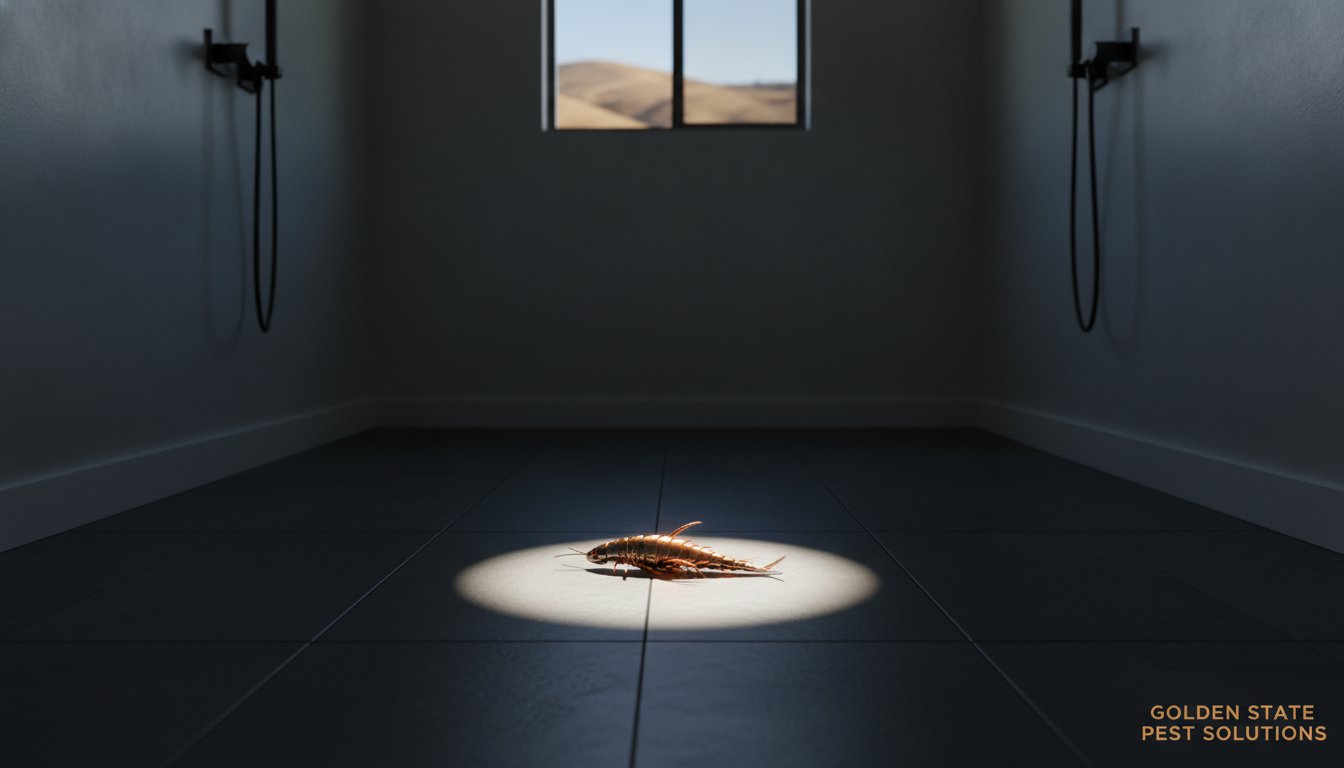

Imagine pulling back your bedsheets at 10:00 PM in Roseville only to see those unmistakable curved pincers scurrying across your white linens. It is a common nightmare for local homeowners who find earwigs in house areas that should be spotless, like kitchen sinks, showers, or even your child's bedroom. You likely feel that a clean home shouldn't have these pests wandering around, and you're right to worry about your family encountering them in the dark.
I understand that frustration because I have been helping Sacramento neighbors solve these exact problems since 2005. I'll show you why our local humidity levels are inviting these pests inside and how my dual-licensed approach stops the invasion. Since I am licensed for both landscaping and structures, I can treat the source in your yard and the entry points at your baseboards. We will look at how to dry out their hiding spots and keep them out for good. Give me the chance to meet or beat any price you've been quoted so you can get back to a pest-free home without the corporate markup.
Key Takeaways
- Learn to identify these nocturnal pests by their signature pincers and find out why they are drawn to the damp spots in your Sacramento home.
- Understand how our dry valley heat and "mulch bridges" attract earwigs in house, making your beautiful Roseville landscaping a secret highway for pests.
- Separate fact from fiction regarding the "ear-boring" myth and learn the truth about whether these insects pose a real sting or bite risk.
- Get actionable steps to protect your foundation by creating a "Zone Zero" and fixing the specific moisture issues that invite unwanted visitors.
- Discover why my dual-licensed approach-treating both your yard and your baseboards-is the most effective way to stop an infestation for good.
Identifying Earwigs in Your Sacramento Home
I see these little guys all the time while I'm out servicing homes in the Sacramento area. Many neighbors call them "pincer bugs," but they officially belong to the insect order Dermaptera. They are strictly nocturnal, which means they do their most active wandering while you're asleep. If you've spotted one scuttling across your bathroom floor during a late-night glass of water, you aren't alone. I've held my dual license for both structures and landscaping since 2005, and I can tell you that earwigs are one of the most common calls I get when the Sacramento weather starts to shift. Their appearance is definitely more intimidating than the actual threat they pose to your family.
The Anatomy of an Earwig: Those Famous Pincers
The first thing you'll notice is the set of forceps, or pincers, sticking off the back of their abdomen. Scientists call these cerci. Earwigs use these tools for defense against other insects or during mating rituals. While those pincers can give you a tiny nip if you pick the insect up, they aren't venomous and they don't carry any known diseases. You can learn more about earwigs and their unique biology to see how they differ from more dangerous pests. The European Earwig is the specific species that has become the most common nuisance in California residential areas.
Where They Hide: Indoor Hotspots
Finding earwigs in house is usually a sign of a moisture problem or a very attractive outdoor habitat right against your foundation. These insects crave damp, dark environments to keep their bodies from drying out. In Sacramento, our intense summer heat drives them toward the cool moisture found in suburban mulch beds or under decorative river rocks. When those outdoor spots get too crowded or dry, they transition indoors through tiny cracks in the stucco or gaps under your door sweeps.
I often find them grouped together in these indoor areas:
- Underneath kitchen and bathroom sinks where pipes might sweat.
- Inside laundry rooms, especially in piles of damp clothes or towels.
- In the tracks of sliding glass doors that collect morning dew.
- Within dark, poorly ventilated crawlspaces.
It's easy to mistake an earwig for a small cockroach or a ground beetle if you only catch a glimpse of them running. However, the elongated body and the prominent rear pincers are a dead giveaway. If you see a single bug, it might just be a traveler that took a wrong turn. If you're seeing them daily, you likely have a larger population living in the landscaping right outside your walls. As a local expert, I've chosen to stay dual-licensed so I can treat both your garden and your home's structure. If a big corporate branch gave you a high estimate to handle these pests, give me the chance to meet or beat their price with my personal service.
Why Earwigs Invade Sacramento, Roseville, and Auburn Properties
I have been licensed to treat both structures and landscaping since 2005, and I have seen how the local weather patterns dictate exactly when pests move inside. Finding earwigs in house areas like laundry rooms or bathrooms usually happens during the specific window when our wet Northern California springs turn into scorching 100-degree summers. These insects aren't looking to bite you; they are simply desperate for a drink. In our dry valley climate, the humidity inside your home is a magnet for them when the outdoor soil turns to dust.
The "Mulch Bridge" is a term I use to describe a common issue in Roseville and Rocklin neighborhoods. Many homeowners use thick layers of wood chips to keep their plants hydrated. While this is great for the garden, it creates a massive moisture reservoir right against your foundation. When that mulch finally dries out on top, the insects dive deeper or move toward the cooler, damp air seeping from your vents. Your porch lights and the light from your television also draw them in. A standard outdoor bulb can attract dozens of these pests to your door frame in a single night, where they eventually find a gap in the weather stripping.
Sacramento’s Climate and Pest Pressure
In the 916 area code, the heat is a primary driver for pest behavior. When temperatures stay above 90 degrees for a week straight, the moisture in the ground evaporates quickly. This forces pests to seek out micro-climates, which are small pockets of cool, damp air. Your home's crawlspace or the area behind your siding provides the perfect relief from the sun. If you have an automatic irrigation system that runs every morning, you're likely maintaining a 70 percent moisture level in the soil near your foundation. This keeps the population high all summer long.
Auburn and the surrounding foothill areas face a different kind of pressure than downtown Sacramento. In the foothills, the heavy presence of oak trees and pine needles creates a thick layer of natural organic debris. This environment allows earwig populations to explode before the summer heat even arrives. Because there is more natural cover, the transition from the outdoors to your kitchen can happen much faster than it does in more urban, paved environments.
What Attracts Them to Your Specific House?
Earwigs are scavengers eating decaying organic matter, which means they are essentially the cleanup crew of your garden. If you have piles of wet leaves, old wood, or thick ivy growing directly on your walls, you're providing them with a 24-hour buffet. In neighborhoods like Lincoln or Rocklin, I often find that leaky outdoor faucets or poor drainage near the side of the house are the main culprits. A single dripping spigot can provide enough water to support a colony of hundreds.
According to European earwig facts, these insects are most active at night and are naturally drawn to light sources. This is why you often find them near windowsills or sliding glass doors. If your perimeter isn't sealed tight, they'll crawl through the smallest cracks to reach the light. If you've started seeing these pincered pests in your living space, you can reach out to me for a straightforward plan to stop them at the source.
Common Myths: Do Earwigs Really Crawl in Your Ears?
Let's clear the air immediately. The name "earwig" comes from an old European myth that these insects crawl into human ears to burrow into the brain and lay eggs. It's 100% false. As a professional who has held a license since 2005, I can tell you that earwigs have zero interest in your body. They want moisture and dark spaces, not human skin. They don't sting, and they don't suck blood. If you pick one up, it might give you a small pinch with its forceps, but that's a defensive move that rarely breaks the skin.
The "Ear" Myth and Its Origins
I see many Sacramento parents get anxious when they spot earwigs in house areas like nurseries or bedrooms. This fear stems from centuries of folklore, but it's biologically impossible for an earwig to nest in a human ear. According to this Ohio State University Extension guide on earwigs, these pests are attracted to cool, damp environments like mulch, leaf litter, and wood piles. Your dry, warm ear canal is the last place they want to be. They prefer the 70% to 80% humidity levels found in Sacramento garden soil over your bedroom floor. They are accidental invaders, not brain-boring parasites.
Structural vs. Garden Damage
If you find an earwig inside, don't worry about your home's integrity. Unlike termites or carpenter ants, earwigs aren't "structural destroyers." They won't chew through your drywall or ruin your support beams. Inside, they are strictly a "nuisance pest" that usually dies off quickly due to lack of moisture. However, your Sacramento garden is a different story. If you've invested in marigolds or zinnias this season, you need to watch out. Earwigs can chew jagged holes in leaves and destroy 100% of your young seedlings in a single night.
When does a nuisance become an infestation? If you're seeing more than 10 earwigs in house per day, you likely have an established colony living right against your foundation. I am dual-licensed by the California Structural Pest Control Board and the Department of Agriculture to treat both your landscaping and your structure. This is a big advantage because I can stop them at the source. If you have a quote from a big corporate franchise, call or text me. Give me the chance to meet or beat their price while providing the personal service a small business offers.
- Forceps: Used for defense and mating, not for biting humans.
- Diet: They prefer decaying organic matter and tender plants.
- Indoor Survival: They rarely survive more than a few days in dry indoor air.

How to Get Rid of Earwigs: A Homeowner’s Prevention Guide
I’ve spent over 19 years helping neighbors handle pests, and I can tell you that earwigs are all about moisture and hiding spots. When you find earwigs in house areas like bathrooms, laundry rooms, or kitchens, it is usually because the outside environment is far too inviting. You can take back control of your property by following these four direct steps.
- Step 1: Eliminate moisture sources. Fix leaky outdoor spigots and adjust your sprinklers. If your irrigation hits the siding of your home, you are basically inviting them inside.
- Step 2: Clear the Zone Zero. Remove all mulch, dead leaves, and organic debris at least 12 inches away from your foundation. This creates a dry barrier that earwigs won't want to cross.
- Step 3: Seal the perimeter. Use a high-quality caulk to seal gaps in your siding and around utility pipes. Check your window screens for small tears and repair them immediately.
- Step 4: Manage outdoor lighting. Earwigs are naturally attracted to bright white lights. Switch your exterior bulbs to yellow "bug lights" or motion-activated LEDs to reduce the attraction at night.
Landscaping Fixes for Roseville and Lincoln Homes
In local neighborhoods like Roseville and Lincoln, I often see heavy wood mulch right up against the stucco. This is a mistake. I recommend using rock borders or gravel for that first foot of space around the house. Wood mulch holds water and provides a perfect breeding ground. You should also clean your gutters at least twice a year. Damp leaves sitting in a gutter can lead to earwigs entering through the roofline. Finally, store your firewood at least 20 feet away from your home and keep it off the ground. A woodpile is a luxury hotel for pests.
DIY Traps and Natural Repellents
If you want to monitor the population, try the oil and soy sauce trap. Fill a small container with equal parts vegetable oil and soy sauce, then bury it so the rim is level with the soil. The smell attracts them, and the oil prevents them from escaping. While this helps you see how many you have, it rarely solves the root of the problem. Most store-bought sprays only kill the bugs you see; they don't reach the deep nests where the eggs are hidden. Since I am licensed for both landscaping and structural treatments, I can treat the source where others cannot. If you’re tired of seeing earwigs in house corners, let me give you a hand. I’ll provide the personal service a big corporation won’t.
Stop the crawling today. Call or text me now and I will meet or beat any competitor's written quote for your home pest control.
Professional Earwig Control: The I C Pests Difference
Dealing with earwigs in house requires more than just a quick spray around your baseboards. These pests are experts at hiding in damp soil and mulch before they migrate into your living space. To truly solve the problem, I use a dual-licensed approach that most corporate companies can't match. I hold professional licenses from both the California Structural Pest Control Board and the Department of Agriculture. This means I'm qualified to treat your landscaping where earwigs breed and your home's structure where they seek shelter. Addressing both environments is the only way to stop the cycle of infestation.
My "Got Pests?" model is built on thoroughness. When I arrive at your property in Sacramento, Roseville, Auburn, or Lincoln, I don't just look at the walls. I perform a deep inspection of your yard, flower beds, and foundation. You'll deal directly with me, Wes, every single time. I've been running this business since 2005, and I don't employ technicians who are rushed by corporate quotas. I take the time to find the source. Because I keep my overhead low, I offer a "Meet or Beat" guarantee. If you have a written quote from a competitor, give me the chance to provide a better value with a personal touch.
A Targeted Treatment Plan for Your Property
I create a lasting barrier by treating the entire perimeter of your home. This targeted application stops earwigs in house by neutralizing them before they find a gap in your siding or a worn weather strip. I select products that are tough on pests but keep your family and pets safe. A single treatment helps, but regular maintenance is the real key. Sacramento summers are long, and consistent service prevents that sudden July invasion when the ground dries out and pests move indoors for moisture.
- Perimeter Defense: I treat 3 to 5 feet out from your foundation to catch pests early.
- Landscaping Expertise: My agricultural license allows me to treat the shrubs and mulch where earwigs hide.
- Safety First: Every application follows strict safety protocols to protect your household.
Ready to Get Rid of Earwigs? Call or Text Me!
Don't let a few earwigs turn into a full-blown infestation. I've been helping my neighbors stay pest-free for over 18 years. If you aren't sure what's crawling around your kitchen or bathroom, just snap a photo and text it to me. I'll identify the pest and give you a straight answer on how to fix it. I'm proud to be a local, small business owner who puts results over volume. Call or Text Wes at I C Pests today for a free estimate!
Take Control of Your Sacramento Home Today
Dealing with earwigs in house doesn't have to be a recurring nightmare for your family. You've learned that these pests don't actually crawl into ears; they're simply looking for the moist soil common in Roseville and Auburn. Effective control requires a strategy that addresses both your home's perimeter and your outdoor landscaping. I've been licensed by the California Structural Pest Control Board since 2005, and I know exactly how to stop these invaders. As a locally owned business, I take pride in protecting our community with a personal touch you won't find at a big corporation.
I am dual-licensed for both Structural and Landscaping pest management. This allows me to treat the source in your yard and the entry points in your house. Don't settle for high corporate prices or generic service plans. Give me the chance to prove why local expertise matters. Call or text me right now to get started.
Get a "Meet or Beat" Quote from Wes at I C Pests Today!
I look forward to helping you keep your home pest-free and comfortable all year long.
Frequently Asked Questions
Is it normal to have earwigs in my house in Sacramento?
Yes, finding earwigs in house is very common in the Sacramento area, especially when summer temperatures hit 95 degrees or higher. These pests seek cool, damp spots to survive the intense Central Valley heat. I've been treating homes here since 2005 and see a massive spike in calls every July. If you see more than 2 or 3 a day, they've likely found an entry point through your door sweeps or foundation vents.
Can earwigs bite or pinch my pets?
Earwigs can use their rear pincers to give a small pinch if your dog or cat corners them, but they aren't venomous. These insects don't have stingers and won't spread diseases to your animals. While a pinch might startle a curious puppy, it won't break the skin in 99 percent of cases. I always tell my clients that earwigs are more of a nuisance than a physical threat to the family pets.
Why do I keep finding earwigs in my bathroom?
You find earwigs in the bathroom because they're attracted to the 60 percent or higher humidity levels found near showers and sinks. They need constant moisture to survive and will crawl through 1/16th inch gaps in baseboards to reach a damp bath mat. I often find them hiding under leaky pipes or behind toilets where condensation builds up. Keeping your fan running for 20 minutes after a shower helps dry out the space they love.
Will earwigs go away on their own when the weather changes?
Earwigs won't simply disappear when the season shifts; they often just move into wall voids to escape the cold. Once the Sacramento rainy season starts in November, they may migrate from the garden into your crawlspace to stay dry. I've seen populations survive all winter in protected areas of a home's structure. It's better to seal those gaps now rather than waiting for them to move back out in the spring.
What is the best way to kill earwigs instantly?
A simple mixture of 2 tablespoons of dish soap in a spray bottle of water will kill an earwig on contact by breaking down its exoskeleton. For a faster cleanup, use a vacuum with a HEPA filter to suck them up immediately. While these methods work for the one bug you see, they don't stop the hundreds hiding in your landscaping. I use my dual license to treat both your yard and your home's exterior to stop them at the source.
How much does professional earwig control cost in Roseville?
According to 2024 industry data from HomeAdvisor, a professional pest treatment in the Roseville area typically ranges between $150 and $300 for a one-time visit. Factors like the size of your lot and the severity of the infestation affect this total. I always offer a "meet or beat" price guarantee for my neighbors. If you have a written quote from a larger franchise, text it to me and I'll do my best to give you a better deal.
Do earwigs signify a bigger moisture problem in my walls?
Seeing frequent earwigs in house often signals that there's a moisture level above 20 percent in your wall cavities or subflooring. These pests are indicator species; they thrive where wood is soft or where drainage is poor. I've found that in 8 out of 10 cases, a persistent earwig problem is linked to a leaky pipe or a clogged gutter dumping water against the foundation. It's a sign you should check for water damage.
Are earwigs attracted to light at night?
Yes, earwigs are highly attracted to bright outdoor lights, specifically the blue-white light from standard LED or mercury vapor bulbs. They are nocturnal hunters that move toward these light sources after dusk. Swapping your 60-watt porch bulb for a yellow bug light can reduce the number of earwigs congregating near your entryways by up to 75 percent. I recommend making this simple switch to keep them from gathering at your front door.